How to disciplined our children?
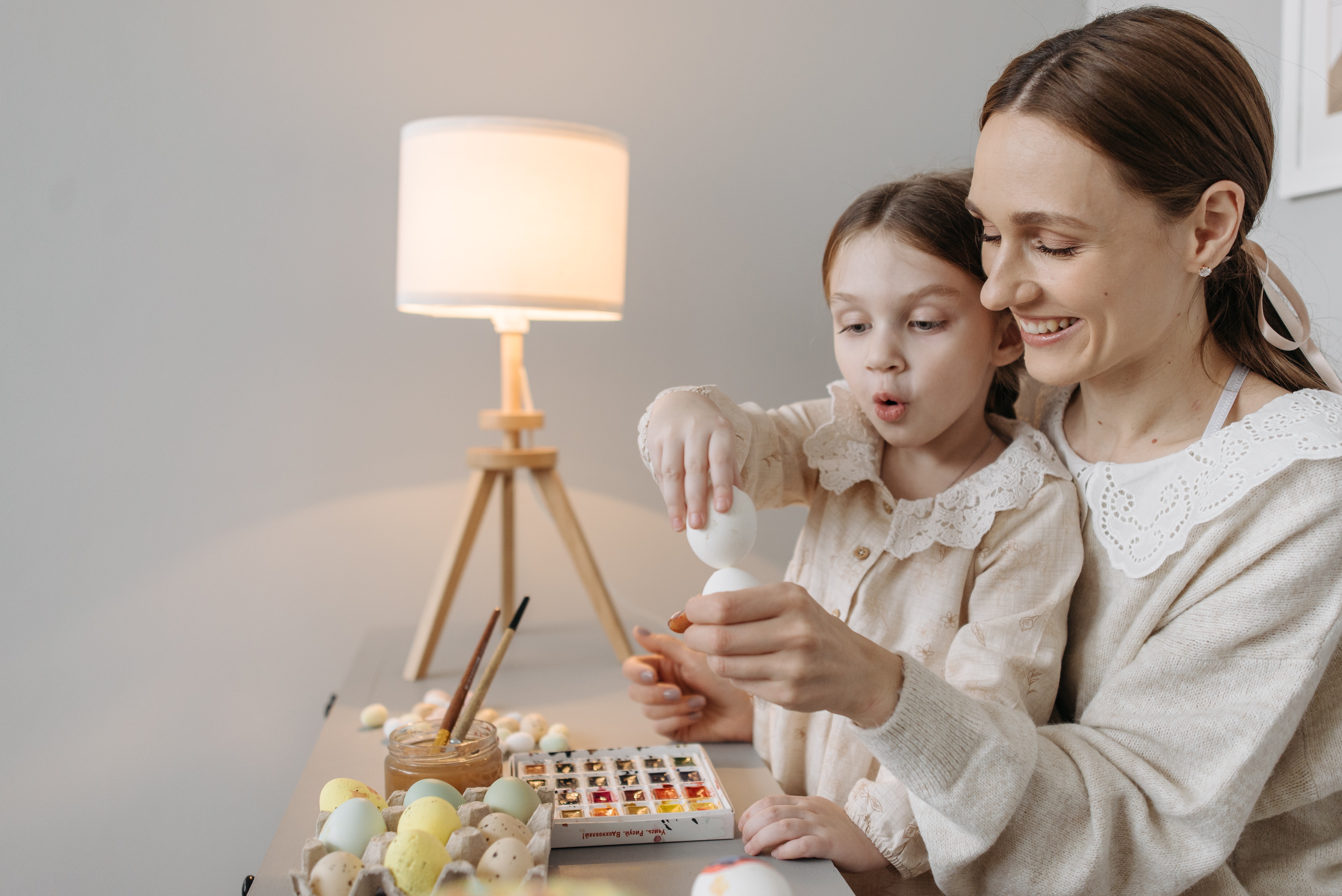
When it comes to discipline, in the modern era of parenting as it is today, many parents are confused about how to help their children become disciplined but not stodgy and fierce like the old parents. To achieve that being a parent in this day and age we really need to learn from the latest psychological sciences about how the latest parenting science is. So that we can make wise decisions in raising children.
One of the challenges in parenting is getting the child to follow the rules and instructions at home, for example “playtime is over, it's time for a nap”, or clearing the dinner table before going to play at a friend's house and so on. Often children refuse and then bid on the rules and instructions given by their parents. Bargaining behavior is actually not a negative behavior because in the future these adaptive skills will be useful for him. However, of course it will be a problem if because of refusal and constantly bidding the child does not bathe, does not eat and does not take a nap, even though these are the needs of the child himself.
Therefore, discipline is important. Good discipline will improve children's physical and mental well-being. Good discipline ensures that the child is physically healthy, and he has an understanding of the benefits of rules and an understanding of the limits when he behaves. However, what is the best way to discipline a child? According to a child psychologist, Pritta Tyas, M.Psi, a psychologist, the best way to discipline children is to become an authoritative figure for children. An authoritative figure means that children feel understood by their parents, but children also feel it is important to follow the rules and instructions given by their parents.
The application of this in the process of disciplining children can be done by saying good but firm, or the term "kind but firm". For example, when it's time for the child to take a bath but the child is still playing, as parents we can say, "buddy, I know that you are still playing, but now it's late, now it's time for us to take a shower.". The statement, "buddy, I know that you are still playing" shows that parents understand the child's feelings, and "but now it's late, now it's time for us to take a shower." show firmness in giving rules. If the child refuses, we can show that we are someone who can be trusted by continuing to help the child carry out the instructions we give. For example, we can say, "OK, Mommy can help clean up the toys, let's take a break first." This makes children learn that parents when giving rules or instructions need to be listened to.
If the child cries, tantrums and gets angry in the process of following instructions. The thing to understand is that children are learning. It's okay for them when they are learning to regulate their emotions and express them by crying. The important thing for parents to do is to stay calm and try to validate the child's feelings. For example, we can say, “You are angry because you still want to play. Okay, Mama, wait for you to calm down and then take a shower." or, "You're angry because you still want to play, but now it's time to take a shower, you can play again later after you shower". Validating the child's feelings and staying calm is very important to make the child feel understood, heard, and eventually the child begins to understand the parent. The application of positive discipline is not easy, but if done consistently and correctly it will strengthen the relationship between the child and the parent, and reduce the problem because the child does not want to obey the rules and instructions given.
By: BehaviorPALS Center Team
Bibliography:
https://www.youtube.com/watch?v=zKBmFq6t1XQ
https://srhd.org/media/documents/What20is20Positive20Discipline1.pdf
discipline, positive parenting, adaptive skills
Pre-school 2 Years - 4 Years / 2 Tahun - 4 Tahun (Balita) / Parenting / Pola Asuh / Family / Keluarga / How to disciplined our children?
Comments
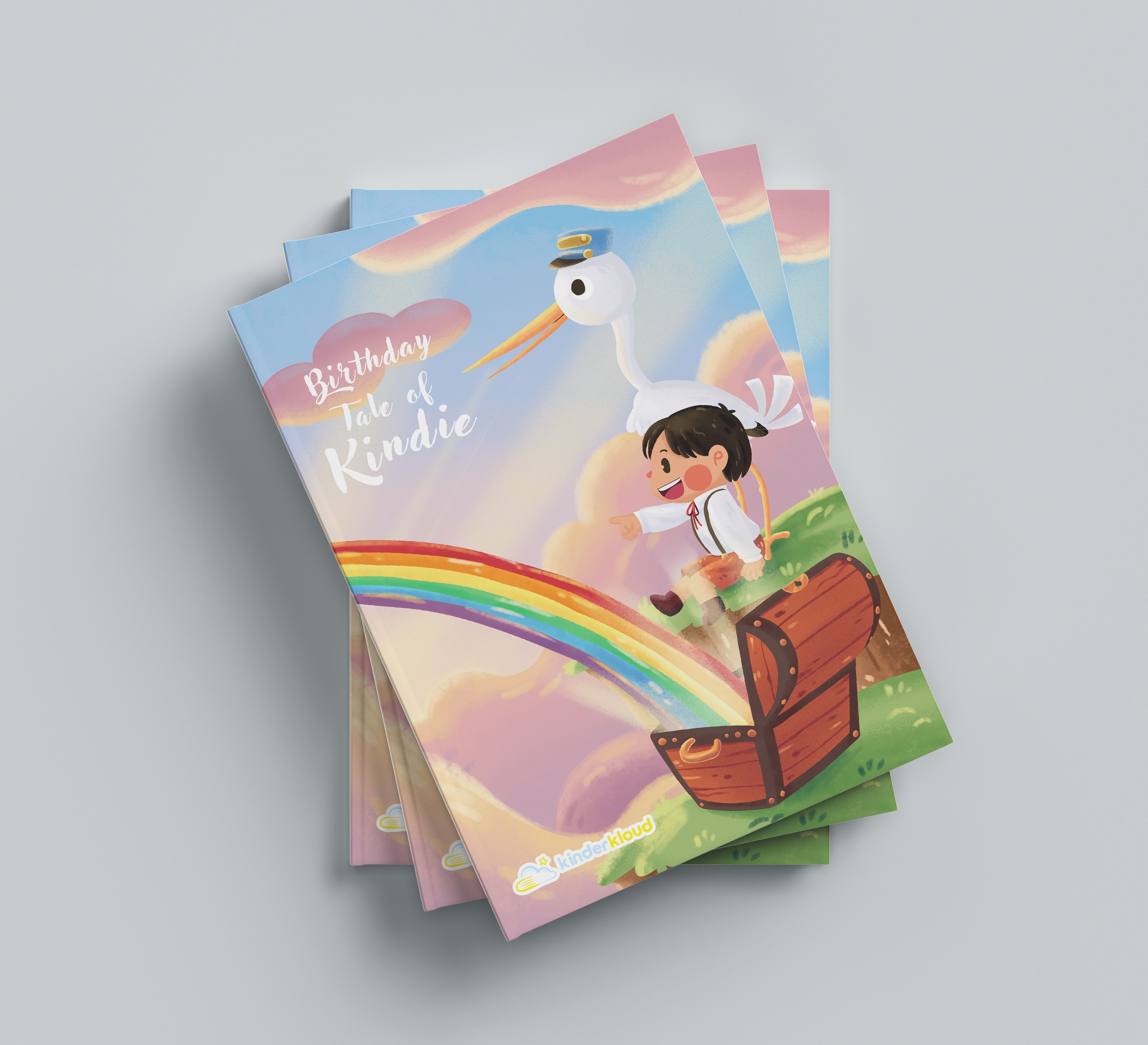
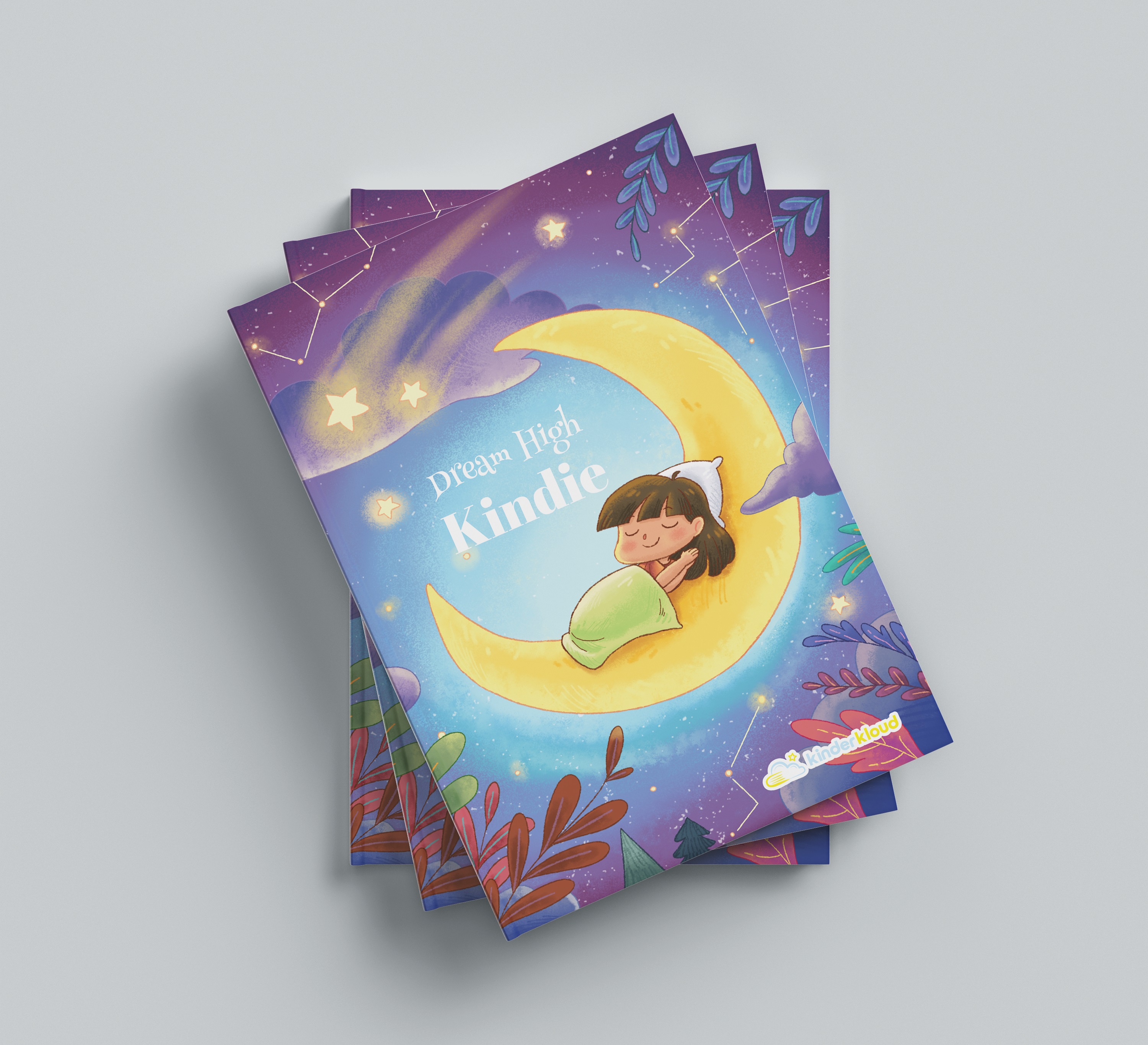
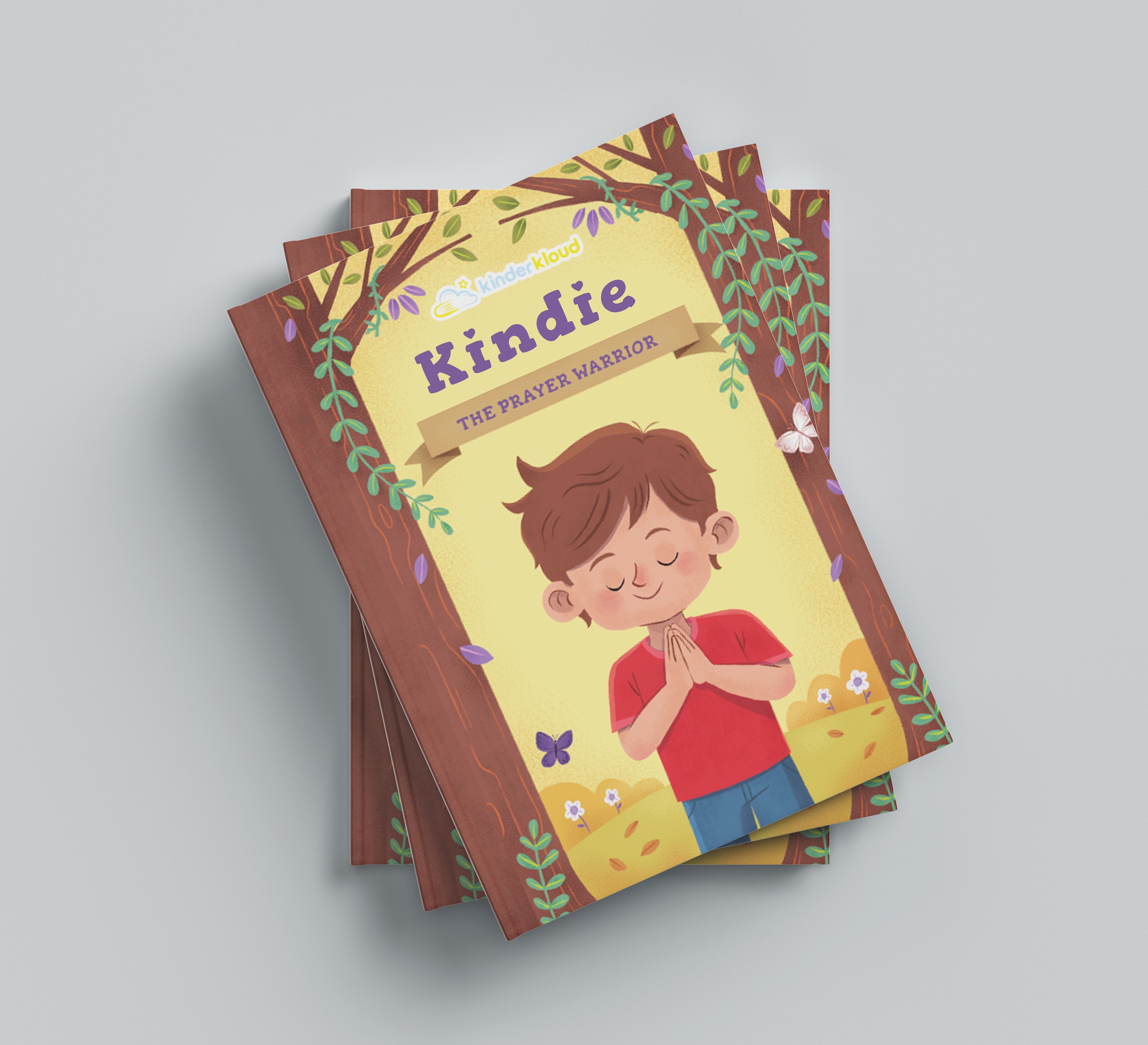
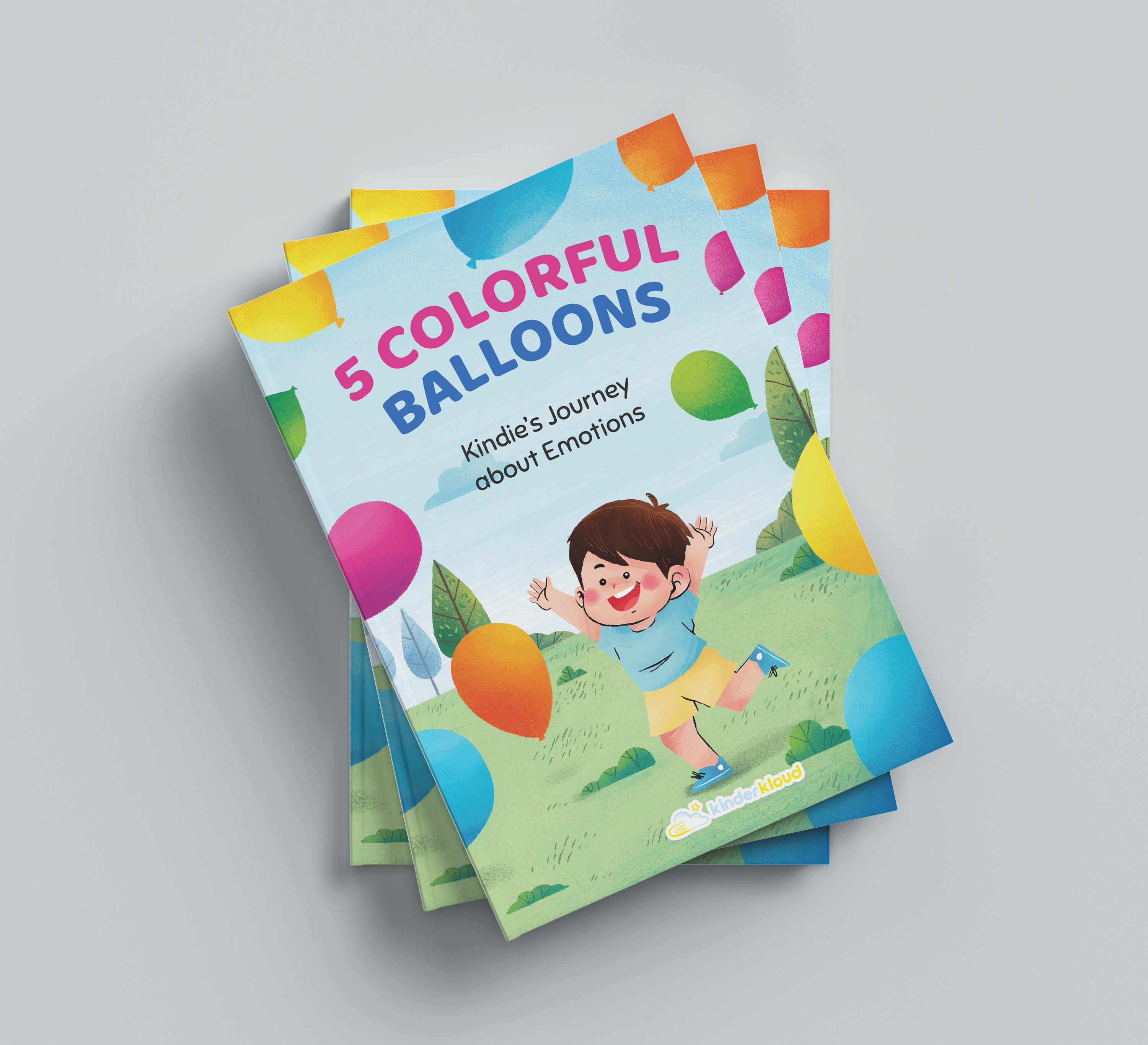
Taking this classic to another level by combining this seemingly simple songs with Plutchick's Wheel of Emotions to introduce children to understand and express their feelings positively with introduction to Manners and Values in every step of the way for everyday life.
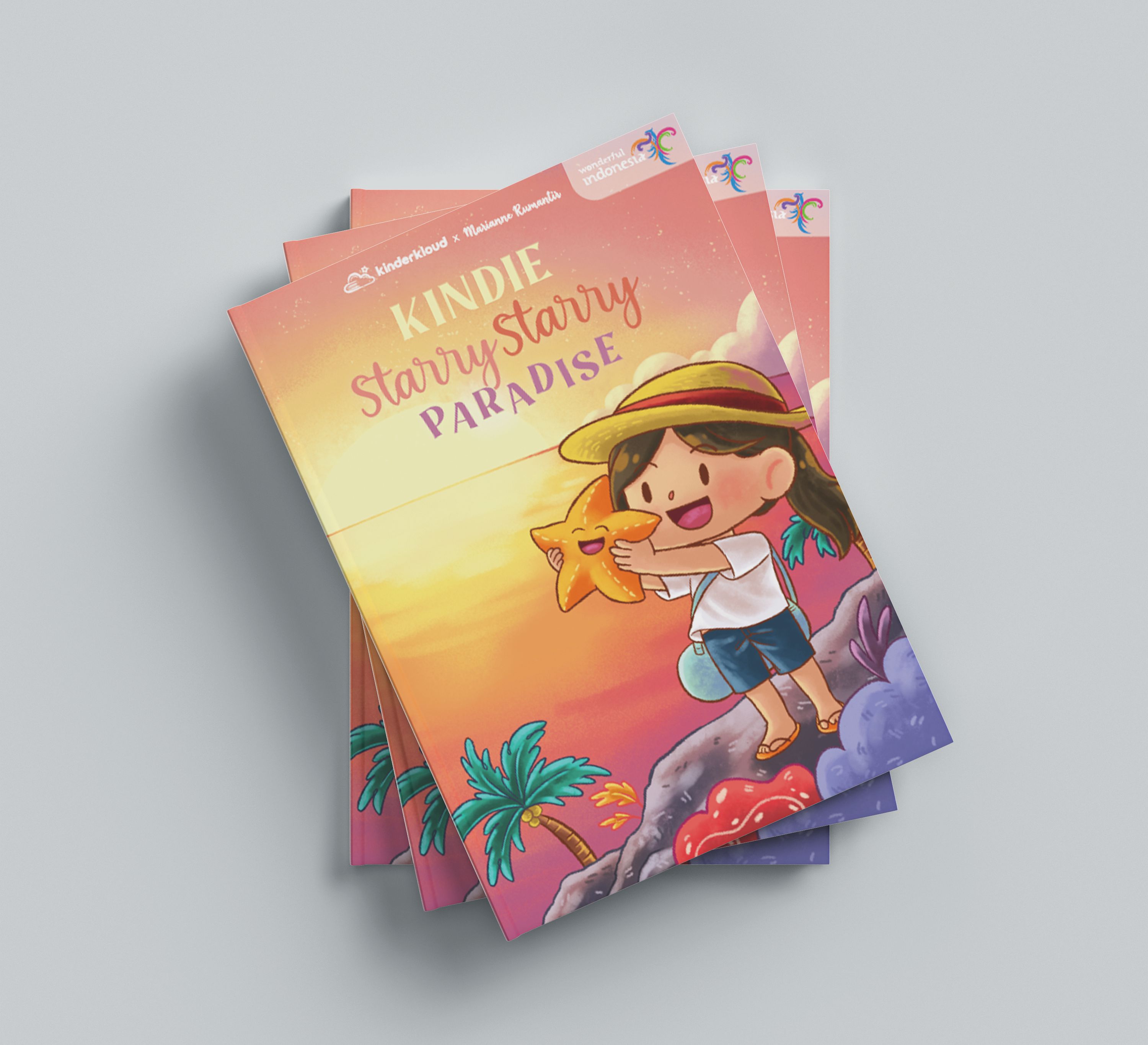
Personalized book to trigger the imagination and curiosity to discover the wonders of our wonderful Indonesia. The food, music, fashion, language, landscape and the culture. They all never fail to amaze us. What better legacy can we pass on for Indonesia than by instilling nationalism to the future generation of this part of the planet called heaven on earth.

Personalized book to trigger the imagination and curiosity to discover the wonders of our wonderful Indonesia. The food, music, fashion, language, landscape and the culture. They all never fail to amaze us. What better legacy can we pass on for Indonesia than by instilling nationalism to the future generation of this part of the planet called heaven on earth.