4 Solutions When Children Don't Want to Come to School
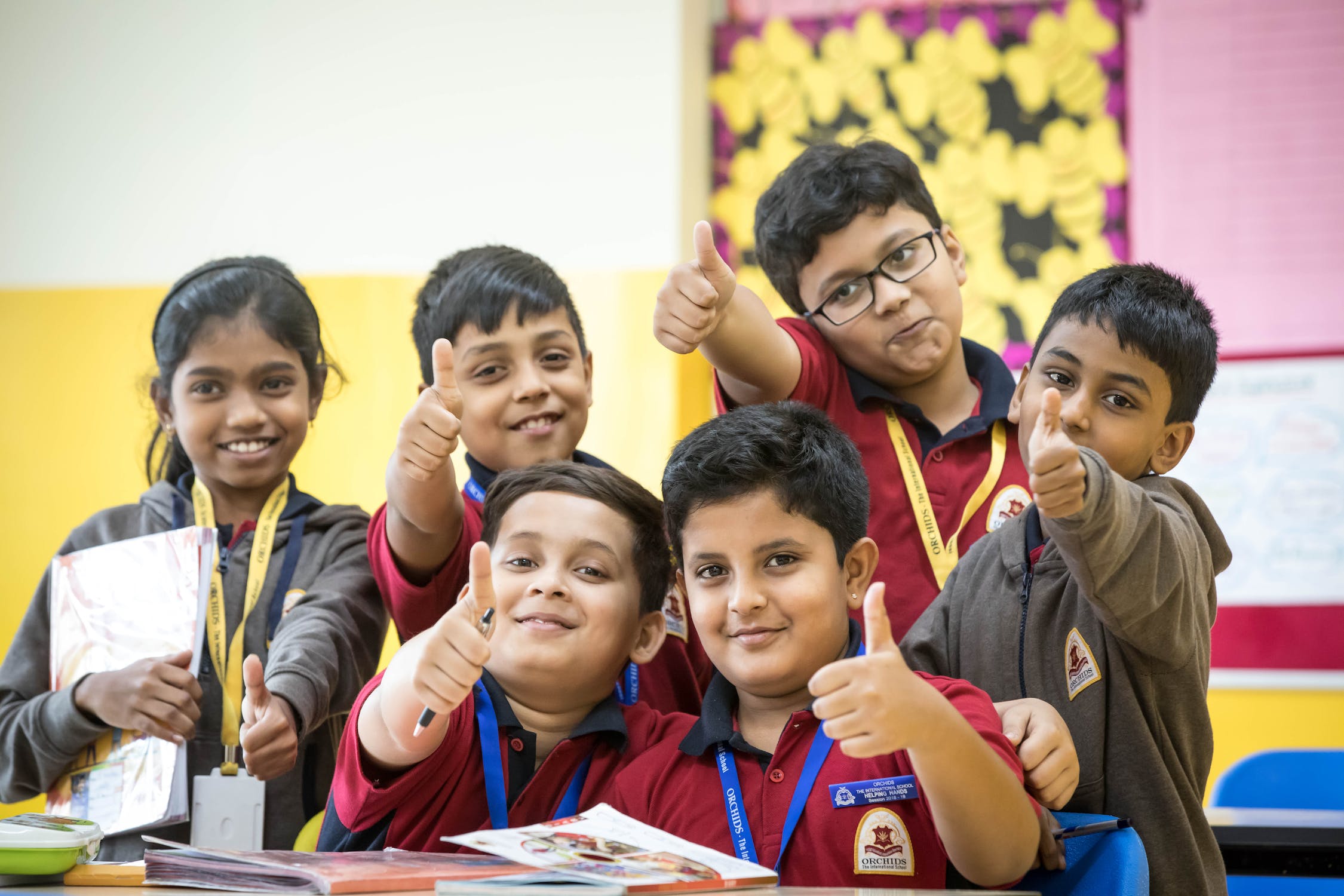
Children not wanting to come to school is a challenge for parents. The most important thing to know the first time your child doesn't want to come to school is the reason. In the article about the causes of children not wanting to come to school, there are 4 things that might be the cause of children not wanting to come to school. Then when the problem is found, what should parents do?
1. Talk well with children
When you find out that the reason your child doesn't want to come to school is because of an unpleasant experience at school, invite your child to talk about what experiences were unpleasant for him. Parents also need to validate the feelings of children who are worried, sad, anxious, or afraid. The feeling that children feel heard by their parents is the first and most important thing that children need to get before asking children to do other things related to coming to school.
After listening to the child's story, say that the parent will work with the child and the school to help him out of the problem. With this, you will not feel alone.
2. Cooperate with a counselor or psychologist
Invite the child to talk to a counselor or psychologist if the problem of not wanting to come to school is very difficult for the child. A counselor or psychologist will help the child to map out his feelings about school.
3. Don't do anything when the child is at home and doesn't want to go to school
Parents need to remain calm when their child refuses to come to school. When at home, condition the house into a "boring" place so that it does not make the condition of the house a reward for him. When at home, give the child homework that he should be doing at school, this will also help him to keep doing the work that should be done at school.
Clear rules are also important for children who don't want to come to school. For example, when children don't want to go to school, parents can take gadgets or can't go to their favorite places on weekends. Consistent delivery of consequences across both parents is also very important. Make sure that the child understands the form of the consequences given that are not pleasant for him. This will make the child stay away from the consequences given by the parents by coming to school.
4. Make a regular preschool routine every day
Plan a relaxing routine for your child before going to school in the evening. For example, parents can invite children to prepare schoolbooks, uniforms, and school supplies at night. When it's morning, make sure your child wakes up at the same time every day and can get ready for a more relaxing bath. A consistent routine will help children to reduce their anxiety when they want to go to school.
There are several things’ parents can do to help their children come to school. If this happens in just 1 day, then parents can adjust to the child's needs. But if this happens for days or even months to interfere with the child's daily activities, then parents need to make it a signal to be taken to a psychologist or psychiatrist. Make sure that the child still feels comfortable and safe when he wants to be helped to come to school. Getting help from a professional is a great help that can help parents and children effectively resolve this issue.
Reference:
Kearney, C. (2007). Getting your child to say" yes" to school: A guide for parents of youth with school refusal behavior. Oxford University Press.
School refusal: Children and teenagers. Raising Children Network. (2021, February 15). Retrieved October 14, 2022, from https://raisingchildren.net.au/school-age/school-learning/school-refusal/school-refusal
By: Sarah Aurelia Saragih, S.Psi from BehaviorPALS Center
school refusal, solutions for school refusal
Children 4 Years - 6 Years / 4 Tahun - 6 Tahun / Psychological Development / Tumbuh Kembang Psikologis / Education / Pendidikan / 4 Solutions When Children Don't Want to Come to School
Comments
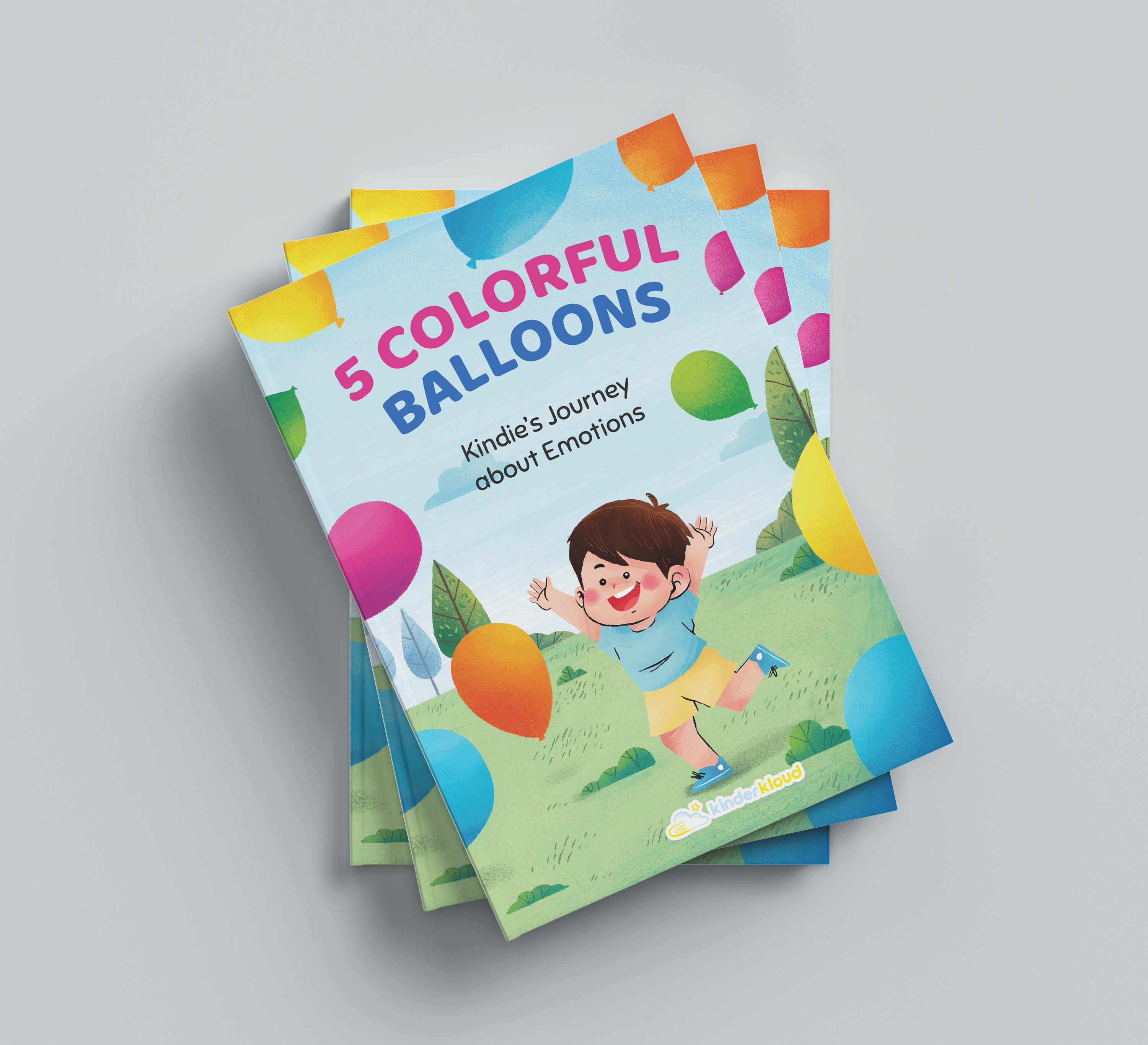
Taking this classic to another level by combining this seemingly simple songs with Plutchick's Wheel of Emotions to introduce children to understand and express their feelings positively with introduction to Manners and Values in every step of the way for everyday life.

Personalized book to trigger the imagination and curiosity to discover the wonders of our wonderful Indonesia. The food, music, fashion, language, landscape and the culture. They all never fail to amaze us. What better legacy can we pass on for Indonesia than by instilling nationalism to the future generation of this part of the planet called heaven on earth.

Personalized book to trigger the imagination and curiosity to discover the wonders of our wonderful Indonesia. The food, music, fashion, language, landscape and the culture. They all never fail to amaze us. What better legacy can we pass on for Indonesia than by instilling nationalism to the future generation of this part of the planet called heaven on earth.